I’ll be the first to admit it: when I hear the words “decreto supremo,” my brain usually starts to glaze over. It sounds like heavy, boring legal stuff, right? But a few weeks ago, a buddy of mine who runs a small transport business was stressing out about a inspection he had coming up. He kept mentioning Decreto Supremo 160, and honestly, I had no idea what he was talking about.
So, I did what any curious person does: I dove into the research. And you know what? I realized this specific regulation is actually a big deal, even if we don’t hear about it every day. Whether you’re in construction, logistics, or just own a property with a big heating oil tank, this rule affects you more than you think.
In this post, I want to walk you through what Decreto Supremo 160 is, why it’s still super relevant in today’s legislation, and what you need to look out for to stay compliant. Don’t worry—I’ll keep the legal jargon to a minimum and speak to you like a friend explaining it over coffee.
What Exactly is Decreto Supremo 160?
Okay, so let’s strip this back to basics. When we talk about Decreto Supremo 160 in most practical contexts today, we’re usually referring to the version issued by the Chilean Ministry of Economy, specifically the “Reglamento de Seguridad para las Instalaciones y Operaciones de Producción y Refinación, Transporte, Almacenamiento, Distribución y Abastecimiento de Combustibles Líquidos” .
In plain English? It’s the big book of rules for anything involving liquid fuels.
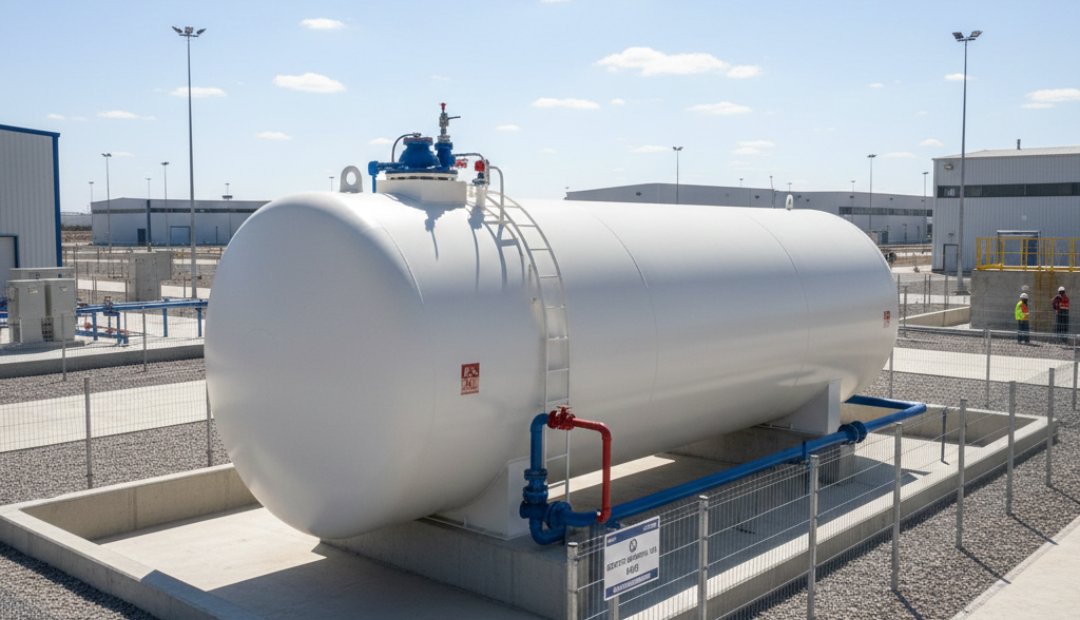
It covers storage (like those big white tanks you see at gas stations or industrial sites).
It covers transport (how fuel is moved safely).
It covers distribution (getting it from the depot to the point of sale).
Think of it as the safety net designed to prevent things like leaks, explosions, or environmental disasters. It sets the technical standards for how tanks must be built, how pipes should be maintained, and who is allowed to certify that everything is up to snuff .
A Quick Note on the “Other” DS 160
I have to mention this because it can get confusing. If you search for this online, you might also find references to DS 160 from the Ministerio de Planificación regarding the Registro de Información Social . That’s a completely different beast related to social services. For this article, we are 100% focused on the combustibles regulation, because that’s the one with the biggest impact on industrial safety right now.
Why This Old Regulation is Still Hot News
You might be thinking, “Okay, but if this rule has been around for a while, why talk about it now?” Great question. The relevance of Decreto Supremo 160 in current legislation isn’t just because it exists; it’s because it keeps evolving.
Just recently, there have been modifications to update the language and technical requirements. For example, Decreto 138 from 2016 specifically modified DS 160 to update safety protocols . The government isn’t letting this law gather dust. They are actively tweaking it to match new technologies and safety standards.
The Link to Labor Laws
Here is where it gets really interesting for me. I was reading through the Decreto Supremo N° 594 (which is all about sanitary and environmental conditions in the workplace), and guess what? It directly references our friend Decreto Supremo 160 .
It states that storage tanks for liquid fuels in workplaces must comply with the exigencies laid out in DS 160 . So, if you’re a business owner trying to keep your employees safe (and avoid massive fines from the health authority), ignoring DS 160 isn’t an option. It’s woven into the fabric of general workplace safety law.
Practical Implications for Regular People (That’s Us!)
Alright, let’s talk about what this means on the ground. Legislation is great on paper, but how does it trickle down to you and me?
For Business Owners: The Certification Headache (and Savior)
If you own a garage, a factory, or even a large apartment building with a backup generator, you likely have fuel storage.
The Rule: DS 160 requires that your installations meet specific technical standards.
The Action: You need to have certificadoras (certifying entities) come out and inspect your tanks regularly .
My Opinion: I know paying for a certified inspector feels like a hassle (and an expense). But having seen the aftermath of a small fuel leak at a construction site once—the cleanup cost ten times what the inspection would have—I’m firmly on team “better safe than sorry.” It’s one of those regulations that feels like a burden until you need it, and then you’re grateful it exists.
For the Environment: The Unsung Hero
We talk a lot about big industrial pollution, but slow leaks from underground storage tanks are a silent killer for soil and groundwater. By setting strict rules for storage (like requiring double-walled tanks or leak detection systems), Decreto Supremo 160 is a major player in local environmental protection .
How to Stay on the Right Side of the Law
So, how do you make sure you’re compliant? You don’t need to become a lawyer, but you do need a game plan.
Here are a few actionable steps you can take today:
Check Your Tanks: First, identify if you have any storage tanks on your property that hold over a certain capacity. Even small diesel tanks for farm equipment often fall under these rules.
Hire a Certified Professional: Don’t just call your regular handyman. You need an entidad certificadora that is authorized to work under the DS 160 framework . They know exactly what the inspectors from the Superintendencia de Electricidad y Combustibles (SEC) are looking for .
Review the Maintenance Logs: If you already have certifications, when was the last time you actually read the report? Dig it out. See if there are any “observations” or “pending” items you forgot about.
Stay Updated: Laws change. As we saw with Decreto 138, modifications happen . Sign up for newsletters from the SEC or your industry association to get alerts when your equipment standards are updated.
Personal Anecdote Time:
I remember visiting a friend’s family workshop a few years back. They had this ancient oil tank out back that was basically rusted through in spots. They’d been using it for decades “because grandpa installed it.” When I casually mentioned these rules, they brushed it off. Six months later, they had a small leak that contaminated a patch of soil. The fines and cleanup costs nearly shut them down. Now, they’re the first ones to call a certified inspector every year. It really opened my eyes to how these “boring” decrees actually protect people’s livelihoods.
Conclusion: Don’t Fear the Decreto
Look, I get it. Reading through a legal text like Decreto Supremo 160 isn’t anyone’s idea of a fun afternoon. But understanding its implications—safety, environmental protection, and legal compliance—is crucial for anyone handling fuel in Chile.
It’s not just about avoiding a fine from the SEC. It’s about making sure your workplace doesn’t explode, your soil doesn’t get poisoned, and your community stays safe. The fact that it cross-references with other laws like DS 594 shows that the government is trying to create a cohesive safety net .
I hope this guide made this topic a little less scary and a lot more understandable. If you’re dealing with fuel storage, don’t wait for an inspection to happen—be proactive.
Have you had any experiences dealing with fuel storage inspections? I’d love to hear your stories or answer any questions in the comments below. And if you found this helpful, consider sharing it with a friend in the industry!