I remember the exact moment I gave up on foundation.
I was 19, standing in my dorm bathroom, staring at a face that looked like a melted candle. My skin looked amazing for the first ten minutes after I applied my makeup. But by the time I walked to class? It was sliding off. Settling into pores I didn’t even know I had.
I thought I was just “bad at makeup.”
For years, I blamed my oily skin. I blamed the cheap drugstore foundation. I blamed the humidity. But I never once blamed my lack of prep. It wasn’t until a makeup artist friend asked me a simple question that everything clicked: “Are you using a primer?”
If you are new to makeup, let me save you years of frustration right now. The difference between makeup that looks “okay” and makeup that looks flawless almost always comes down to what you put underneath it.
We’re going to talk about the makeup primer hidden benefits that nobody tells you about when you’re first starting out. This isn’t just about making your lipstick stay put. It’s about changing the way your skin interacts with your makeup entirely.
What Exactly Is a Makeup Primer?
Let’s keep it simple. You know how you wouldn’t paint a wall without applying a coat of primer first? You’d see every bump and the paint would peel off in a week.
Your face is the same.
A makeup primer is a base that goes on after your moisturizer and sunscreen, but before your foundation. It creates a barrier. Think of it as double-sided tape. One side grips your skin. The other side grips your makeup.
If you are skipping this step, you aren’t saving time. You’re just making the rest of your products work harder than they need to.
The Hidden Benefits You Didn’t Know About
Most beginners think primer is just for making makeup last longer. And sure, that’s a big part of it. But after a decade in the industry, I’ve found that the real magic is in the things nobody talks about.
It Acts Like a Filter for Your Pores
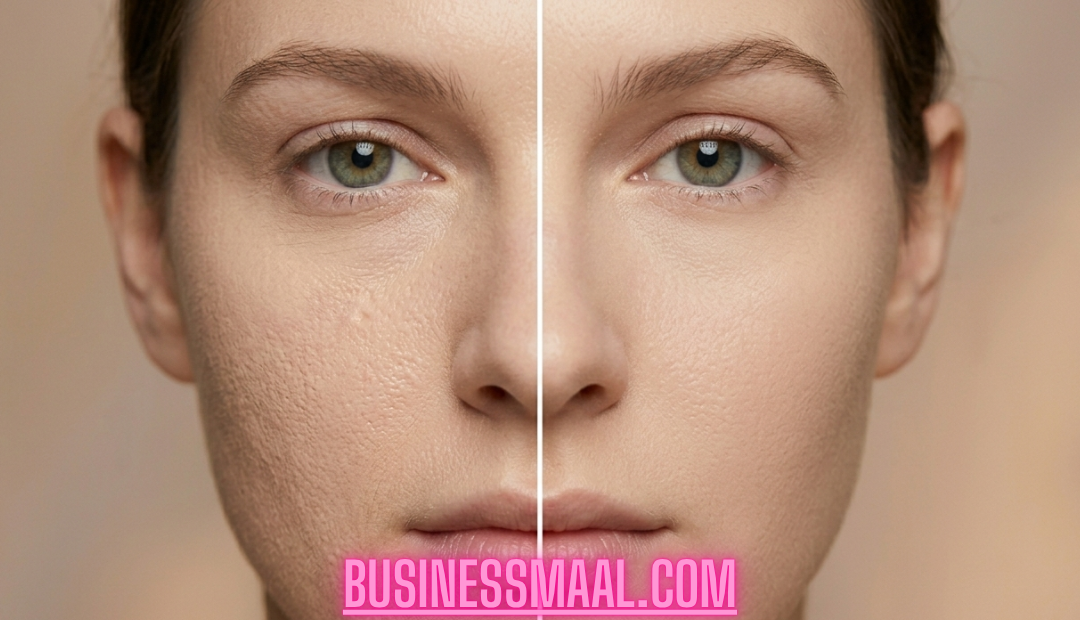
I have visible pores on my cheeks. For years, I thought I had to use thick, cakey foundation to cover them up. Turns out, I was doing the opposite.
A silicone-based primer (my personal favorite for this issue) fills in those pores like spackle on a wall. When you put foundation on top, the surface is smooth. You’re no longer trying to build up texture; you’re just gliding over it.
Pro tip: Press the primer into your pores rather than rubbing it around. Pat it in where your pores are largest. You’ll see the difference immediately.
It Keeps Your Skin Type From Ruining Your Look
Here is where a lot of beginners get frustrated. They buy a $50 foundation that everyone raves about, but it looks terrible on them.
The issue usually isn’t the foundation. It’s the skin underneath.
If you’re oily: A mattifying primer acts as a shield. It stops your natural oils from breaking down your foundation by lunchtime.
If you’re dry: A hydrating primer stops your foundation from clinging to dry patches. It gives you that “glass skin” look without needing to be a professional makeup artist.
I had a client last week who told me she couldn’t wear foundation because it always looked flaky. I swapped her mattifying primer for a hydrating one, and she texted me three hours later: “Wait, is this what my skin is supposed to look like?”
It Protects Your Skin (Yes, Really)
We talk a lot about SPF protecting us from the sun. But we don’t talk enough about how makeup can sometimes irritate our skin.
If you have sensitive skin, a good primer creates a physical barrier between your skin and the pigments in your foundation. It reduces the risk of clogged pores and irritation. Think of it as a bodyguard for your face.
How to Choose the Right One
If you walk into a store and see 50 different primers, don’t panic. You don’t need ten of them. You likely only need one or two.
For Oily Skin: Look for words like “mattifying,” “poreless,” or “oil-control.” Usually these are gel-based.
For Dry Skin: Look for words like “hydrating,” “luminous,” or “dewy.” These are often creamier or have a slight sheen.
For Uneven Texture: If you just want to blur things out, a “smoothing” primer is your best friend.
When I started out, I bought a blurring primer for my T-zone and a hydrating one for my cheeks. It felt extra at first, but now it’s just my routine. You don’t have to be a pro to do that. You just have to know what your skin needs.
The Application Rule You Can’t Skip
Here is the number one mistake I see beginners make.
They take their primer and rub it in like moisturizer.
Stop doing that.
Moisturizer is for hydration. Primer is for creating a smooth surface. If you rub it in, you’re just pushing it into your skin where it can’t do its job.
Here’s what works:
Use about a pea-sized amount. A little goes a long way.
Focus on the center of your face—the nose, the cheeks, the forehead.
Use your fingers to press and pat the product into the skin. Don’t swipe.
When you press it in, you’re filling those fine lines and pores. Then, let it sit for 60 seconds. Go brush your hair, pick out a lipstick, or make your coffee. Give it time to set. You’ll notice your foundation glides on like silk after this.
The Bottom Line
If you take one thing away from this, let it be this: Makeup is only as good as the base it sits on.
You can buy the most expensive foundation in the world, but if you put it on unprepared skin, it’s going to settle, slide, and fade. A good primer isn’t an extra step—it’s the step that makes every other step work.
I wish someone had sat me down back in my dorm room days and explained this to me. I would have saved so much money on foundations I threw away because I thought they “didn’t work” for me.
So, whether you’re getting ready for a big event or just want to feel put together for your 9 AM meeting, give your primer a minute to do its job. I promise, when you look in the mirror six hours later and your makeup still looks fresh, you’ll wonder why you ever skipped it.